

7 Practical Tips to Run a More Efficient Trucking Business
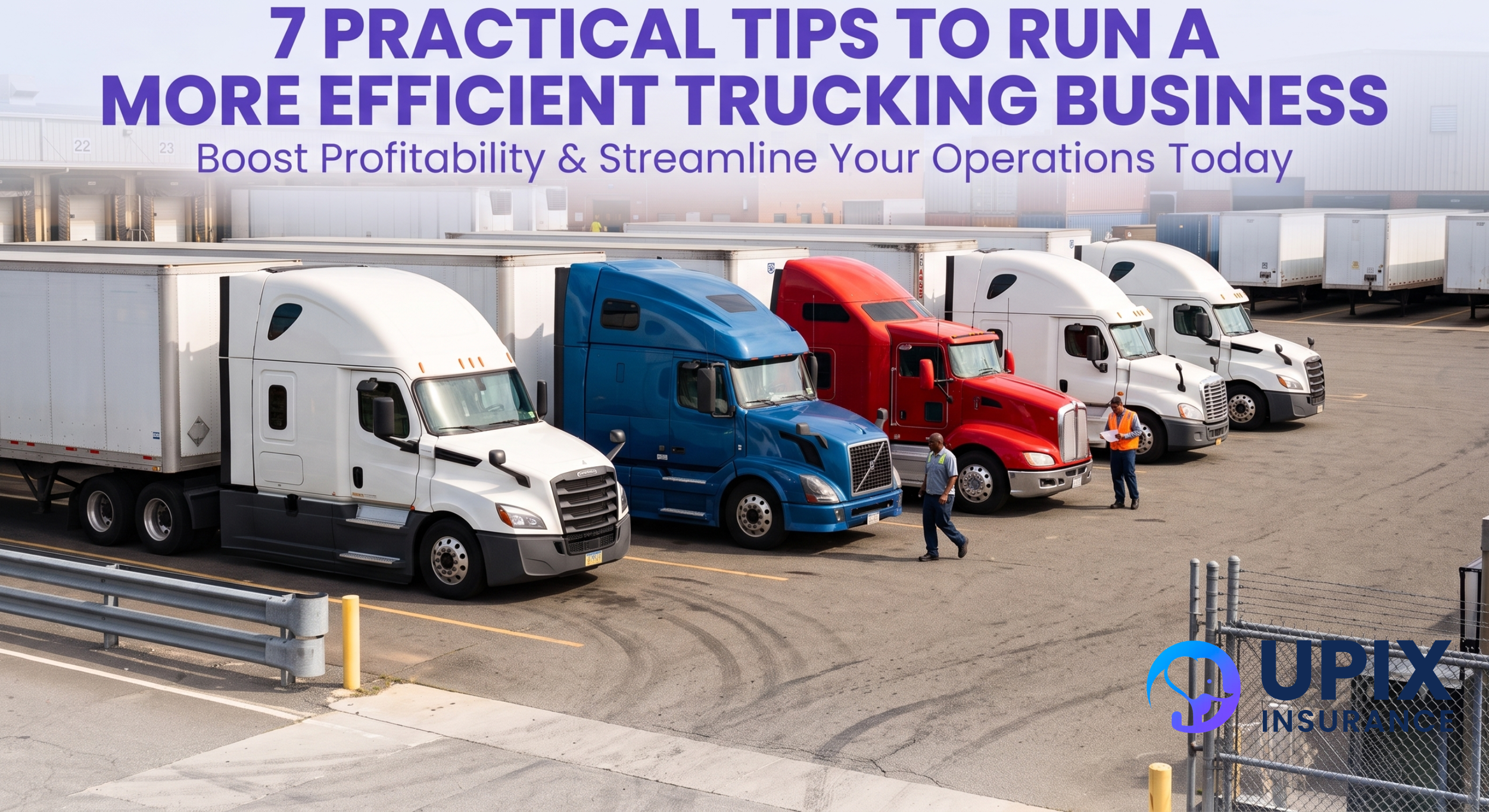
Running a successful trucking business is a balancing act. Between managing shifting fuel prices, keeping up with regulatory demands, and ensuring your drivers stay safe on the open road, there is rarely a quiet moment.
Whether you operate as a solo owner-operator or oversee a growing fleet, maximizing operational efficiency is the clearest path to protecting your bottom line. When your business runs like a well-oiled machine, you reduce unnecessary overhead, minimize stressful downtime, and keep your drivers focused on what they do best.
Let's look at seven practical, real-world strategies you can implement immediately to build a more streamlined, safe, and highly profitable transportation operation.
Why Efficiency Matters in the Trucking Industry
In the commercial transport sector, profit margins can be razor-thin. Every mile your trucks travel without cargo, every hour a rig sits in a repair shop, and every gallon of fuel wasted because of aggressive driving chips away at your hard-earned revenue.
True efficiency isn’t just about cutting corners to save a dollar today. It is about building sustainable habits that protect your assets over the long haul. A highly optimized fleet naturally experiences fewer mechanical breakdowns, lower turnover among staff, and diminished safety risks.
Ultimately, improving your operational habits also makes your company much more attractive to insurance providers, directly impacting the long-term affordability of your truck insurance.
7 Practical Tips to Run a More Efficient Trucking Business
1. Commit to Strict Preventive Maintenance
Waiting for a mechanical component to break down before fixing it is a recipe for expensive repairs and missed delivery deadlines. Implementing a rigorous program for preventive maintenance is one of the smartest investments you can make.
Create rigid inspection checklists: Establish daily pre-trip and post-trip inspections for every vehicle.
Track fluid intervals closely: Schedule routine oil changes, filter replacements, and fluid checks well ahead of time.
Monitor your tires: Check tire pressure weekly, as underinflated tires accelerate tread wear and significantly reduce fuel economy.
Catching a worn belt or a minor fluid leak while your truck is still at the terminal prevents a massive, costly roadside emergency later.
2. Prioritize Fleet Fuel Efficiency
Fuel represents one of the largest ongoing expenses for any commercial fleet. Even a marginal improvement in your average miles per gallon can result in thousands of dollars saved across your operation annually.
To maximize your fuel efficiency, encourage your team to avoid excessive idling whenever possible. Utilizing cruise control on flat, open highways helps maintain a steady, economical pace. Additionally, keeping an eye on average driving speeds makes a noticeable difference, as traveling at moderate, consistent speeds burns far less fuel than aggressive acceleration.
3. Build a Culture of Truck Driver Safety
Your drivers are the public face of your business and the caretakers of your most expensive physical assets. Investing heavily in continuous truck driver safety education directly reduces your operational liabilities.
Consider hosting routine safety workshops or introducing simple safety incentive programs that reward drivers for maintaining clean records. Safe driving habits protect your team, preserve your equipment from unnecessary wear, and keep your business clear of costly legal liabilities.
4. Leverage Smart Technology for Fleet Management
Trying to manage a modern transportation business using traditional paper logs and spreadsheets will eventually slow you down. Upgrading to reliable fleet management software gives you immediate, bird's-eye visibility into your entire operation.
Modern GPS routing tools help your team steer clear of heavy construction zones, accidents, and low-clearance bridges. Telematics systems can also track real-time vehicle diagnostics, letting you know the moment an engine fault code appears so you can address it before it leads to an active breakdown.
5. Maintain Seamless DOT Compliance
Falling behind on regulatory paperwork can bring your business to an unexpected halt. Staying completely up to date with DOT compliance requires consistent attention, but it saves you from major headaches down the road.
Ensure all your Electronic Logging Device (ELD) records are precise, up to date, and organized. Keep your driver qualification files meticulously detailed, and never allow physical or digital record-keeping to slide. Passing a roadside inspection with flying colors keeps your trucks moving and protects your safety rating.
6. Keep Your Fleet Safety Score Clean
The Federal Motor Carrier Safety Administration (FMCSA) monitors your business safety performance through its data-driven tracking systems. A poor safety rating can cause prospective clients to hesitate before working with you.
Prioritizing overall fleet safety ensures your CSA scores remain in excellent standing. A clean safety record opens the door to high-paying freight contracts and reassures your clients that their cargo is in highly capable hands.
7. Review Your Commercial Auto Insurance Regularly
You can optimize your routes perfectly and keep your trucks immaculate, but an unexpected accident can still disrupt your momentum. Securing comprehensive Commercial Auto Insurance is the foundation of any resilient business strategy.
The right insurance coverage shields you from devastating financial losses stemming from property damage, cargo loss, and physical injuries. It ensures that if a crisis occurs on the road, your business has the structural backing required to recover quickly without draining your hard-earned cash reserves.
Common Mistakes That Reduce Efficiency
Even the most dedicated business owners can occasionally fall into habits that quietly drain their profitability. Recognizing these common pitfalls can help you steer clear of them:
Neglecting small trailer and tire repairs: Minor mechanical issues left unaddressed can rapidly snowball into major components failing during a route.
Accepting poorly routed backhauls: Chasing a low-paying load that takes your driver far out of the way often costs more in fuel and time than it is worth.
Failing to review operational expenses: Not auditing your monthly overhead regularly makes it easy to overlook creeping costs or unnecessary vendor fees.
Final Thoughts
Building a highly efficient trucking business doesn’t happen overnight. It is the cumulative result of small, smart choices made daily—from checking your tire pressure to optimizing your weekly delivery routes. By focusing on preventive care, leveraging smart digital tools, and supporting your drivers, you position your business for sustainable, long-term growth.
At UPIX Insurance, proudly serving our local community from Elizabeth, New Jersey, we understand the unique demands placed on commercial haulers. We are here to help you safeguard everything you've built. Contact our team today for a comprehensive Commercial Auto Insurance review, and let’s make sure your fleet is fully protected for the road ahead.
Keep Your Business Moving with the Right Protection
Running an efficient trucking business means more than reducing costs. It also means making sure your vehicles, drivers, and business are properly protected.
Whether you're an owner-operator or managing a growing fleet, UPIX Insurance can help you find Commercial Auto Insurance tailored to your operation.
👉 Contact our team today for a free commercial insurance review.
